History of The City of Willows

A Rich History Rooted in the Land

Long before settlers arrived, the region that became Willows, California was home to the Wintun people—skilled hunters, gatherers, and stewards of the Sacramento Valley. Their traditional lands encompassed the rivers, oak woodlands, and grasslands of what is now Glenn County, forming a foundation for the area’s lasting connection to the land.

From Watering Hole to Town

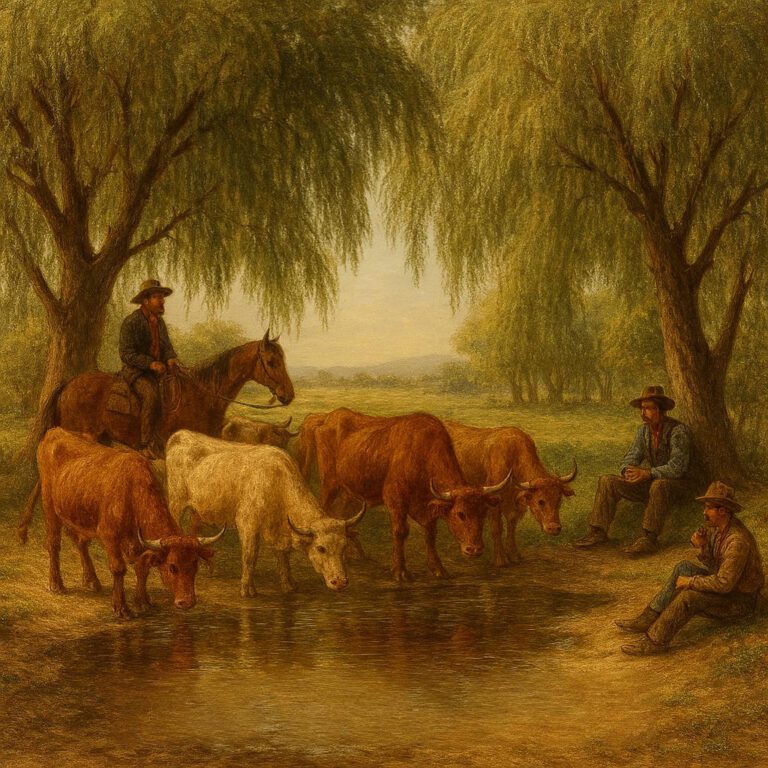
In the mid-1800s, cattle drivers traveling between Sacramento and Redding often stopped to rest at a shady watering place surrounded by willow trees. This stop, known as ‘The Willows,’ inspired the name that the town still proudly bears today.

Depiction of 'The Willows'

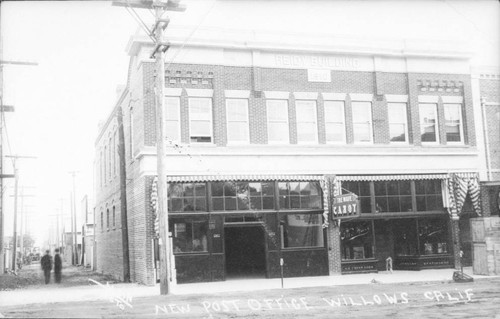
In 1862, a post office opened under the name Willow, later changed to Willows in 1916. As settlers recognized the valley’s fertile farmland, the community grew steadily, evolving into a thriving agricultural hub.

Willows Post Office 1910 courtesy of Meriam Library, CSU, Chico

The Ranching Era and Dr. Hugh J. Glenn

During California’s Mexican era, vast ranches defined the Sacramento Valley. For example, one of the largest, the Rancho Jacinto—about 35,000 acres—was eventually purchased by Dr. Hugh J. Glenn, a pioneering wheat grower and one of California’s leading agricultural entrepreneurs. His innovative farming practices helped establish Willows as a center of commerce and cultivation.

In 1891, Glenn County was created from the northern part of Colusa County and named in Dr. Glenn’s honor. That same year, Willows became the county seat, anchoring the region’s civic and economic life.

Growth, Railroads, and Resilience

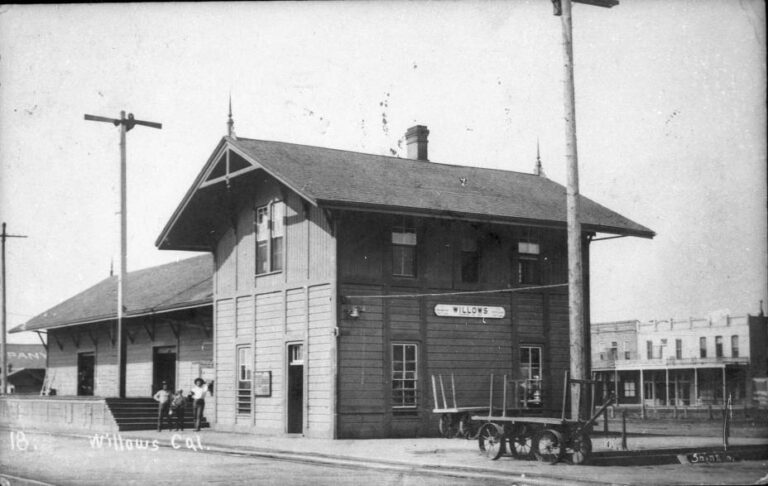
in 1878, the arrival of the Northern Railway (later part of the Southern Pacific system) in linked Willows to statewide markets, accelerating settlement and prosperity. The town officially incorporated on January 16, 1886.

Willows Railway Station Courtesy of Meriam Library, CSU, Chico

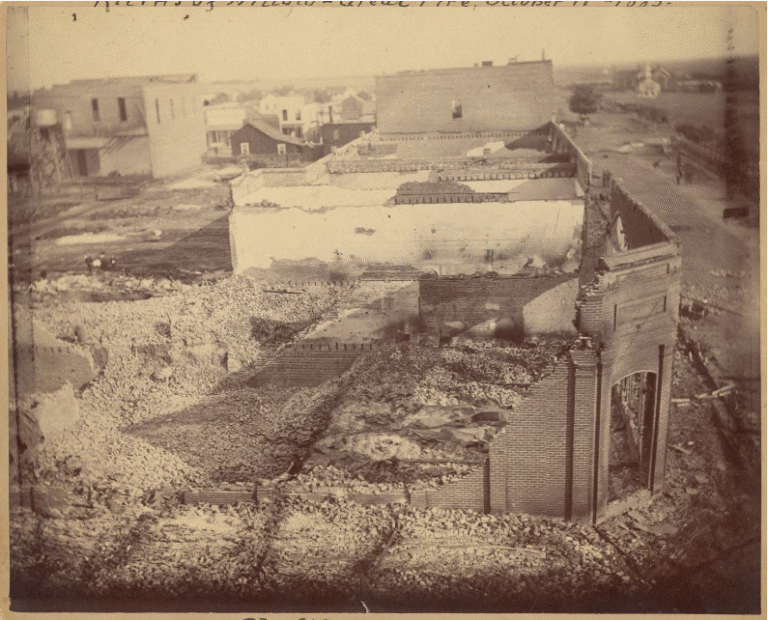
In the 1880s, two major fires devastated downtown Willows; however, the community quickly rebuilt the town each time. In response to the fires, a formal fire department was established in 1887, replacing the earlier volunteer bucket brigade. In 1914 the city purchased its first motorized fire engine, symbolizing progress and resilience.

Great Fire of Willow, 1883 Citation: Silvey, J. M. Ruins of Willow, Great Fire

The Glenn County Courthouse: A Symbol of Civic Pride

Through the 20th century, the courthouse underwent multiple small additions, but by the 2010s it required seismic reinforcement and modernization. Beginning in 2019, the State of California launched a major rehabilitation and expansion project of the old courthouse. The work included restoration of the historic façade, removal of non-historic wings, and construction of a new two-story annex that added courtrooms and public service areas while preserving the integrity of the 1894 structure.

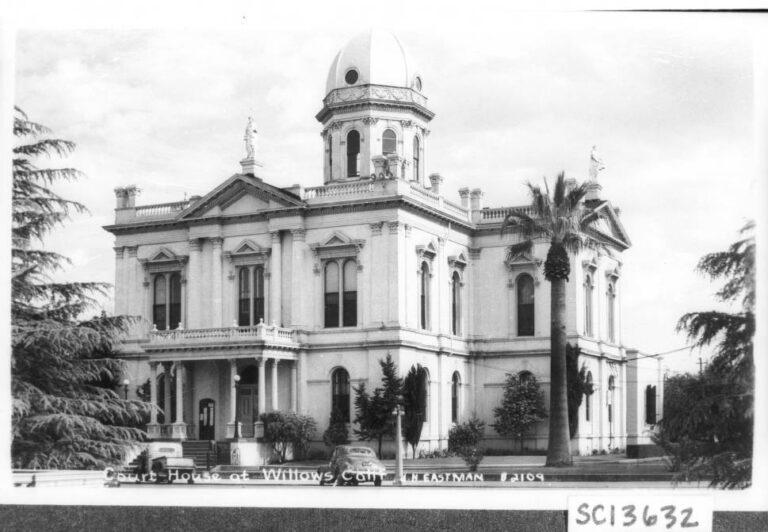
Willows Courthouse courtesy of Meriam Library, CSU, Chico

Through the 20th century, the courthouse underwent multiple small additions, but by the 2010s it required seismic reinforcement and modernization. Beginning in 2019, the State of California launched a major rehabilitation and expansion project. The work included restoration of the historic façade, removal of non-historic wings, and construction of a new two-story annex that added courtrooms and public service areas while preserving the integrity of the 1894 structure.

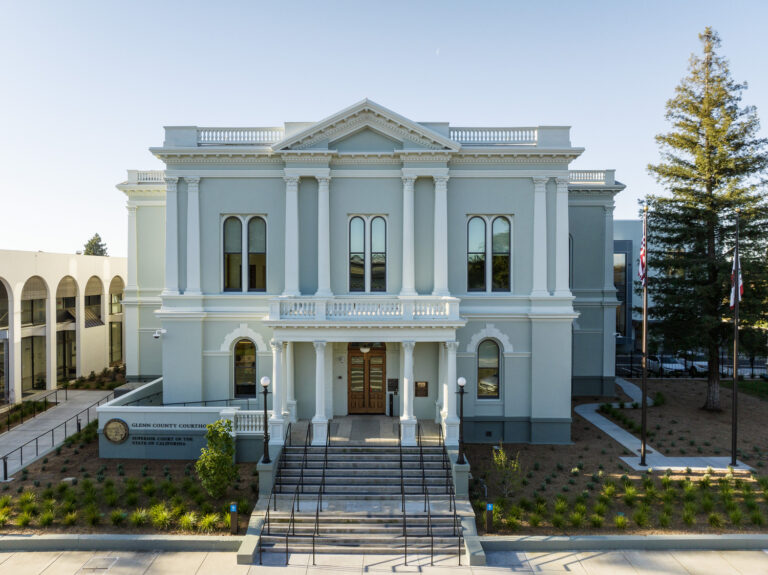
Renovated Glenn County Courthouse Courtesy of California Preservation Society

The refurbished courthouse reopened in September 2023, earning the California Preservation Foundation’s Design Award for Rehabilitation (2025). Today, it stands as a restored landmark blending 19th-century architecture with 21st-century functionality.

The Carnegie Library and Willows Museum

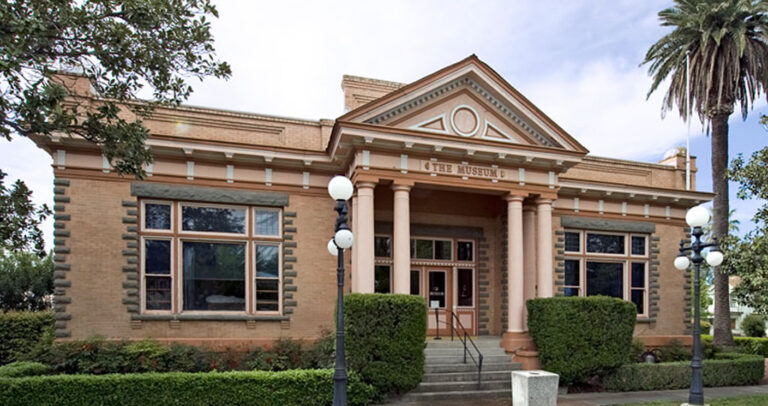
Civic pride also flourished in the early 1900s, when the Willows Women’s Improvement Club established a reading room that grew into a public library. Their efforts attracted a $10,000 grant from the Carnegie Foundation in 1910, leading to the construction of a handsome Classical Revival–style library at 336 West Walnut Street.

Designed by architect C. N. Kittinger and built by Graham & Jensen, the building featured Corinthian columns and a temple-like portico symbolizing knowledge and progress. It served as the community’s public library until 1969, when a new facility was built downtown.

Willows Carnegie Library (pre-1969) Willows Museum (post-1969)

Rather than demolish the historic structure, the city preserved it as part of a Bicentennial Community Project, reopening it as the Willows Museum. Today, the museum hosts exhibits on agriculture, pioneer life, and local heritage, surrounded by a “Heritage Garden” that celebrates the area’s enduring connection to its past.

Irrigation, Aviation, and Innovation

The formation of the Glenn-Colusa Irrigation District in 1920 brought stable water supplies to local farms, transforming Willows into one of California’s most productive agricultural regions.

The Willows-Glenn County Airport

The Willows-Glenn County Airport, established in 1928, began as a training ground for early pilots. During World War II, the airport served the U.S. military for pilot training, including practice missions associated with the famed Doolittle Raiders. In later years, the site became an early center for aerial firefighting and agricultural aviation. In 2023, the airport was listed on the National Register of Historic Places.

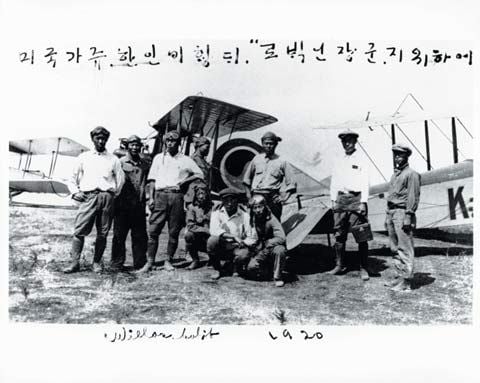
From 1920-1921, Willows was home to the remarkable Willows Korean Aviation School—a short-lived but historically significant academy that trained pilots supporting Korea’s independence movement.
Willows Korean Aviation School courtesy of Han Woo-seong, American Journalist

Modern Willows

In 1979, the State completed construction of Interstate 5 turning Willows into a convenient stopover between Sacramento and Redding. Despite the growth of modern transportation and commerce, the city has never lost its small-town spirit or its agricultural roots.

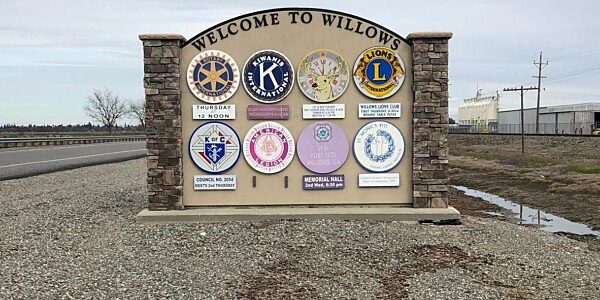
I-5 Welcome to Willows Gateway Sign

Today, Willows continues to thrive as the heart of Glenn County—an inviting community known for its heritage, hospitality, and abundant harvests of rice, almonds, walnuts, prunes, and livestock. From its 19th-century courthouse to its preserved Carnegie library, Willows stands as a living reminder of Northern California’s history of resilience, innovation, and pride.

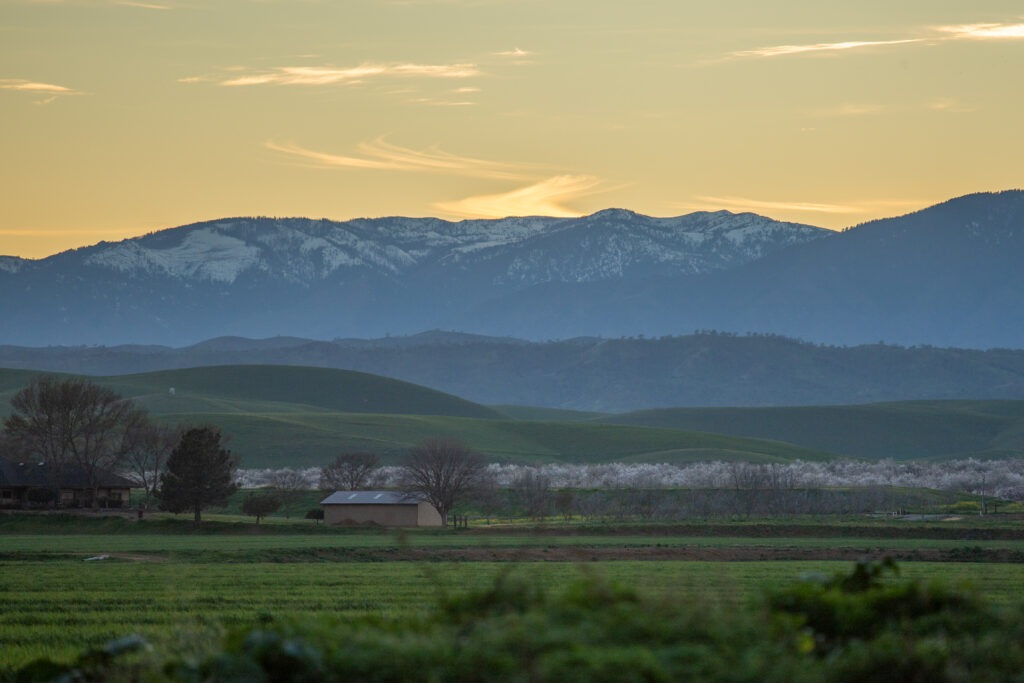
Glenn County Almond Bloom & Mendocino National Forest

Copyright ©2026 City of Willows 
Tim Gangl Web Development
All Rights Reserved